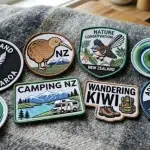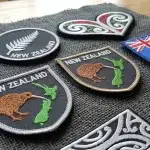
Fashion keeps changing every year. New colours, new styles, and new trends appear in shops across New Zealand. Personal style stays much more stable. Many people like clothing that shows their own identity.
Iron on patches bring a simple way to add that personal touch. These small fabric pieces turn plain clothing into something bold and unique. Streetwear fans, students, and DIY fashion lovers across NZ enjoy adding clothing patches to their outfits.
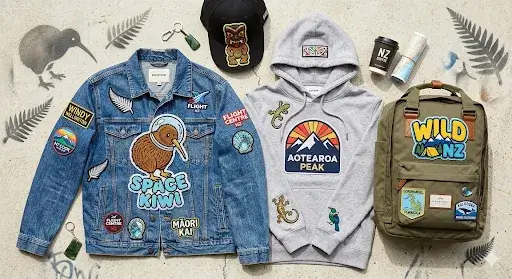
Fashion patches have become popular again in streetwear and DIY clothing culture. Denim jackets with patches, hoodies with bold designs, and backpacks covered in patches show up in many urban fashion scenes.
This guide explains the main benefits of using fashion patches. You will see how Iron on patches upgrade clothing, repair garments, and help people express their style.
What Are Iron-On Patches?
Iron on patches are small pieces of fabric with a special adhesive backing. Heat from an iron melts the adhesive and bonds the patch to clothing.
The process stays very simple. Place the patch on the fabric and press it with a hot iron. After the patch cools down, the adhesive holds it firmly in place.
Many people choose Iron on patches because they do not require sewing. A basic household iron completes the process in minutes.
Sew-on patches also exist. These patches need stitching to stay attached to the garment. Iron on patches rely on heat activated glue, which makes them faster and easier to apply.
Why Iron-On Patches Are Trending in Fashion
Fashion today focuses strongly on personal expression. Many people want clothing that feels different from standard store designs.
Iron on patches help create this unique style. Streetwear culture has pushed fashion patches back into the spotlight. Denim jackets with bold patches, caps with logos, and hoodies with creative designs appear often in youth fashion.
Vintage style also plays a role. Retro biker jackets and varsity jackets often feature large clothing patches. This classic look has returned in modern streetwear. DIY creators and small clothing brands also enjoy using fashion patches. A simple hoodie or jacket becomes a branded piece with a logo patch.
Iron on patches now appear on many fashion items such as:
- Jackets
- Denim clothing
- Backpacks
- Caps
- Hoodies
This trend continues to grow across New Zealand fashion scenes.
Top Benefits of Using Iron-On Patches for Fashion Apparel
Easy to Apply Without Sewing
Iron on patches remain very simple to apply. A regular household iron handles the process easily. Place the patch on the garment and press it with heat. The adhesive melts and sticks the patch to the fabric.
This process removes the need for stitching or tailoring skills. Anyone can attach clothing patches at home within minutes. Because of this simplicity, fashion patches remain popular with students and DIY fashion fans across New Zealand.
Affordable Way to Upgrade Clothing
Clothing prices continue to rise. Buying new outfits often costs a lot. Iron on patches provide a cheaper way to refresh clothing. A few patches transform an old jacket or hoodie into a stylish piece.
Old garments gain new life with fashion patches. This small upgrade allows people to improve their wardrobe without spending heavily. Many fashion lovers in NZ enjoy this budget friendly approach to style.
Perfect for Personalising Outfits
Clothing patches give people the freedom to show their identity through fashion. Names, symbols, logos, and artistic designs appear easily on jackets or bags. A few patches turn a plain item into a unique fashion piece.
Streetwear culture across New Zealand often uses fashion patches to display personal interests, music tastes, and creative designs. Personalised clothing helps people stand out while expressing their own style.
Great for Repairing Damaged Clothing
Clothing does not stay perfect forever. Fabric may wear out over time, especially around knees, elbows, or pocket s.
Iron on patches help repair these damaged areas. A patch covers the hole and strengthens the fabric. The garment becomes usable again while gaining a stylish feature.
This approach also supports a more sustainable way of dressing. Many New Zealanders prefer repairing garments instead of throwing them away.
Clothing patches extend the life of jackets, jeans, and other apparel.
Ideal for Branding and Custom Apparel
Iron On Patches also serve businesses, schools, and clubs. Small fashion brands often place logo patches on jackets, caps, and hoodies. This method adds identity to clothing without complex production.
Sports teams, school groups, and community clubs also use clothing patches for uniforms. Fashion patches display logos and symbols clearly while maintaining a clean and professional look.
Best Clothing Items to Use Iron-On Patches On
Certain garments work especially well with clothing patches. Denim jackets remain one of the most popular choices. Thick denim fabric holds Iron on patches very well. Jeans also benefit from patches. Many people use them to repair worn areas while adding fashion style.
Varsity jackets often feature large chenille fashion patches that display letters and symbols. T-shirts and hoodies gain personality through smaller embroidered clothing patches.
School bags and travel backpacks also carry fashion patches. Many people decorate these items with designs that reflect hobbies or interests.
Tips to Make Iron-On Patches Last Longer
Correct application helps clothing patches stay attached for a long time. Use the correct heat level on the iron. Medium to high heat activates the adhesive properly.
Avoid delicate fabrics that cannot handle strong heat. Thick cotton or denim fabrics hold patches much better. Turn garments inside out before washing. This step protects the patch surface from friction.
Why Iron-On Patches Are Popular in New Zealand Fashion
Iron On Patches have gained strong popularity across New Zealand fashion culture. DIY clothing trends continue to grow among young people. Many students enjoy decorating jackets, bags, and hoodies with clothing patches.
Streetwear enthusiasts also embrace this trend. Fashion patches appear frequently on denim jackets and caps in urban fashion scenes. Another reason involves sustainability. Many Kiwis prefer repairing clothing rather than replacing it.
Iron on patches support this mindset by extending the life of garments while adding new style.
FAQs
Are iron-on patches permanent?
Iron on patches create a strong bond with fabric through heat activated adhesive. Proper application and careful washing help clothing patches stay attached for a long time.
Can iron-on patches be used on all fabrics?
Iron on patches work best on thick fabrics such as cotton and denim. Delicate fabrics may not hold the adhesive properly.
Do iron-on patches come off after washing?
Clothing patches remain secure during normal washing when applied correctly. Turning garments inside out helps protect fashion patches.
Can you remove an iron-on patch?
Heat can loosen the adhesive on Iron on patches. Gentle reheating allows the patch to lift from the fabric.
Are iron-on patches good for repairing clothes?
Iron on patches work well for covering holes and worn areas. Many people use clothing patches to extend the life of garments.
Final Thoughts
Iron on patches offer a simple and creative way to improve fashion apparel. These clothing patches upgrade outfits, repair worn garments, and allow people to personalise their clothing easily.
Fashion patches also support affordable style and sustainable clothing habits. Across New Zealand, many people continue to use Iron on patches on jackets, jeans, hoodies, and bags to create unique fashion pieces.